Affiliate Disclosure: This page contains affiliate links. If you make a purchase through one of these links, Paws & Progress may earn a commission at no additional cost to you.
Why this might be happening
Before changing a behavior, it helps to understand what your dog may be responding to. Look for patterns rather than assuming one cause.
- Sniffing and exploring are natural dog behaviors worth making room for.
- Varied, achievable activities can help fill quiet parts of the day.
- Enrichment complements exercise, rest and training; it is not a replacement for care when a dog is distressed or unwell.
If this behavior appeared suddenly, seems linked to pain, or involves intense fear or distress, consult a veterinarian or qualified, reward-based behavior professional. Training tips are not a substitute for medical care.
For another angle on this challenge, read our guide to my dog seems bored or restless.
A practical plan, step by step
You do not need to do everything at once. Choose a manageable starting point and notice what helps your dog feel able to succeed.
Try a scatter search
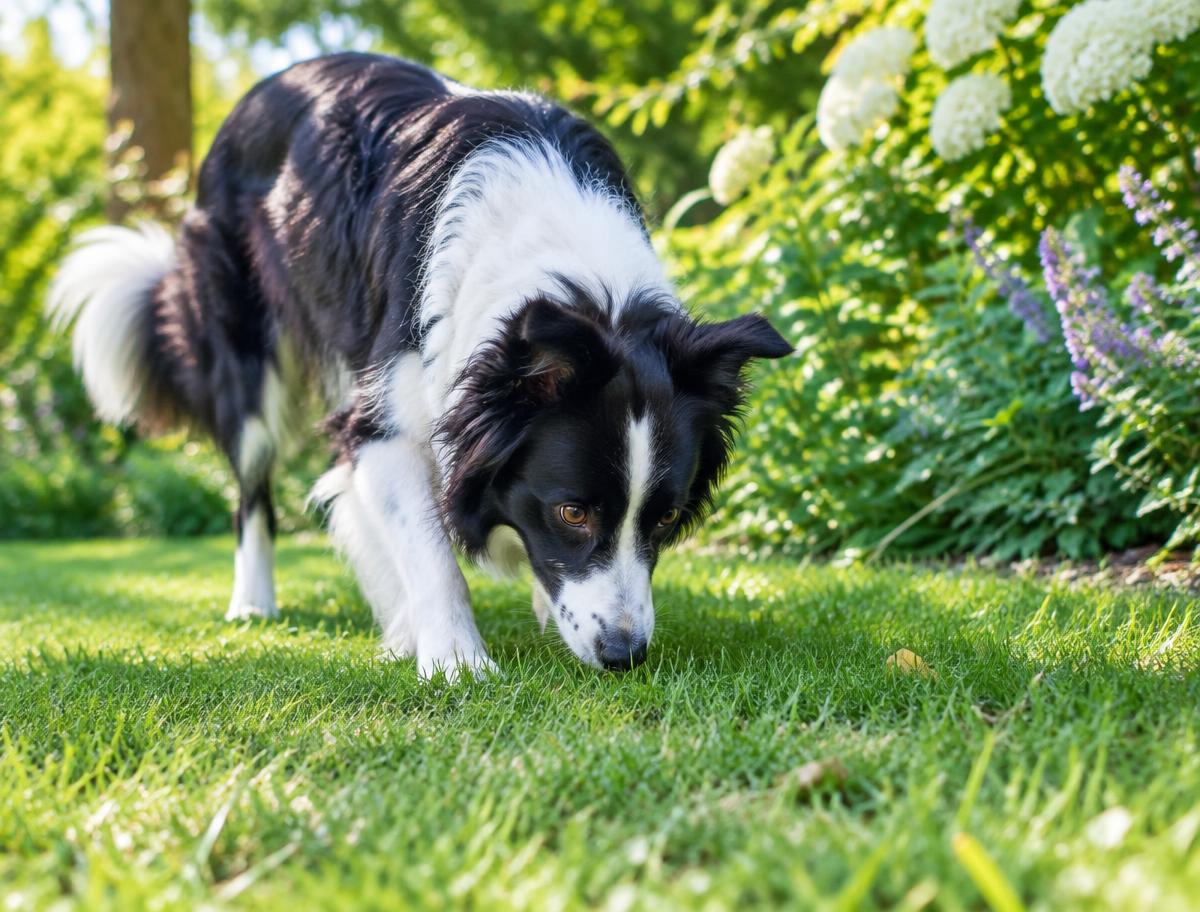
Toss a few pieces of your dog’s usual food onto a clean floor or safe patch of grass. Let them sniff and find each piece.
Hide a familiar toy
Begin with the toy in plain sight and say “find it.” Gradually hide it behind a chair or in another easy spot as your dog learns the game.
Make a simple food puzzle
Use a suitable food toy or roll a few treats in a towel while supervising. Avoid materials your dog may swallow.
Teach a small trick
Practice touching your palm with their nose, stepping onto a mat or retrieving a toy. Reward tiny progress rather than waiting for perfection.
Let your dog choose sometimes
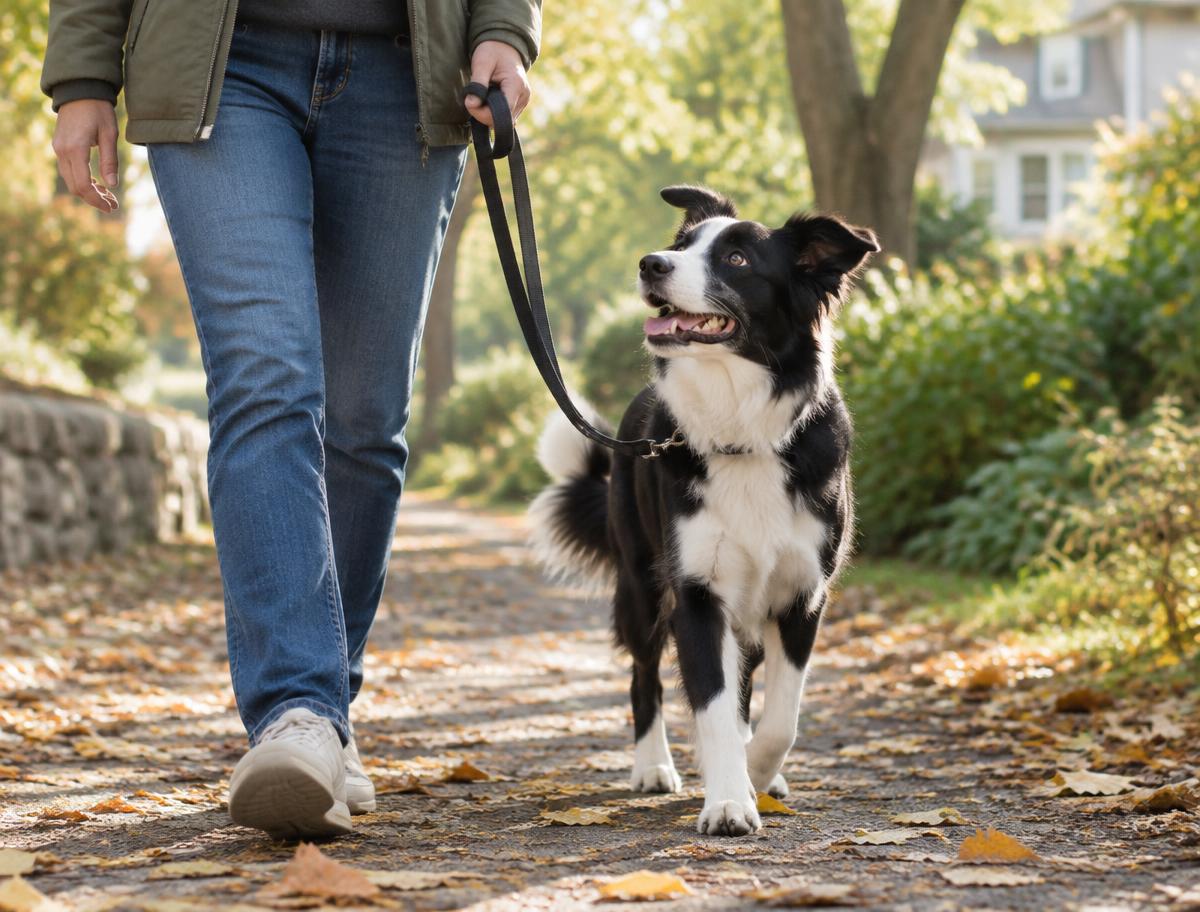
On a safe walk, allow your dog to pick the direction at a fork or spend extra time investigating a smell.
Common mistakes to avoid
- Starting with a puzzle that is too difficult.
- Leaving unsafe homemade enrichment unattended.
- Using food games without considering your dog’s daily food amount or medical diet.
When to seek professional help
Reward-based training works well for many everyday challenges, but some situations call for more support. Consider a veterinarian or a qualified, reward-based behavior professional if:
- The behavior appeared suddenly or is getting worse despite consistent practice.
- Your dog seems to be in pain, unwell, or shows intense fear or distress.
- There is any risk of injury to people or other animals.
A vet visit can rule out medical causes first — pain and illness often show up as behavior changes.
A small beginning
What to Try Today
- Try a two-minute food scatter.
- Teach or revisit one simple hand-target cue.
- Watch which activity your dog actually enjoys.
Frequently Asked Questions
How much enrichment does my dog need?
There is no universal amount. Start with a short, easy activity and pay attention to your dog’s interest and ability to settle afterward.
Can enrichment help with anxiety?
It can support a healthy routine, but significant anxiety requires an individualized plan and sometimes professional care.