Affiliate Disclosure: This page contains affiliate links. If you make a purchase through one of these links, Paws & Progress may earn a commission at no additional cost to you.
Why this might be happening
Before changing a behavior, it helps to understand what your dog may be responding to. Look for patterns rather than assuming one cause.
- Possible signs include repeatedly seeking attention, pacing, digging, inappropriate chewing, barking, difficulty settling and overexcitement.
- These signs are not a diagnosis: pain, illness, anxiety and insufficient sleep can look similar.
- Different dogs need different types and amounts of activity.
If this behavior appeared suddenly, seems linked to pain, or involves intense fear or distress, consult a veterinarian or qualified, reward-based behavior professional. Training tips are not a substitute for medical care.
For another angle on this challenge, read our guide to i want to keep my dog mentally stimulated.
A practical plan, step by step
You do not need to do everything at once. Choose a manageable starting point and notice what helps your dog feel able to succeed.
Look at the daily routine
Note when your dog is restless and what happened beforehand. Are walks rushed? Is there quiet time? Does the behavior start only when you leave?
Make one walk a sniff walk
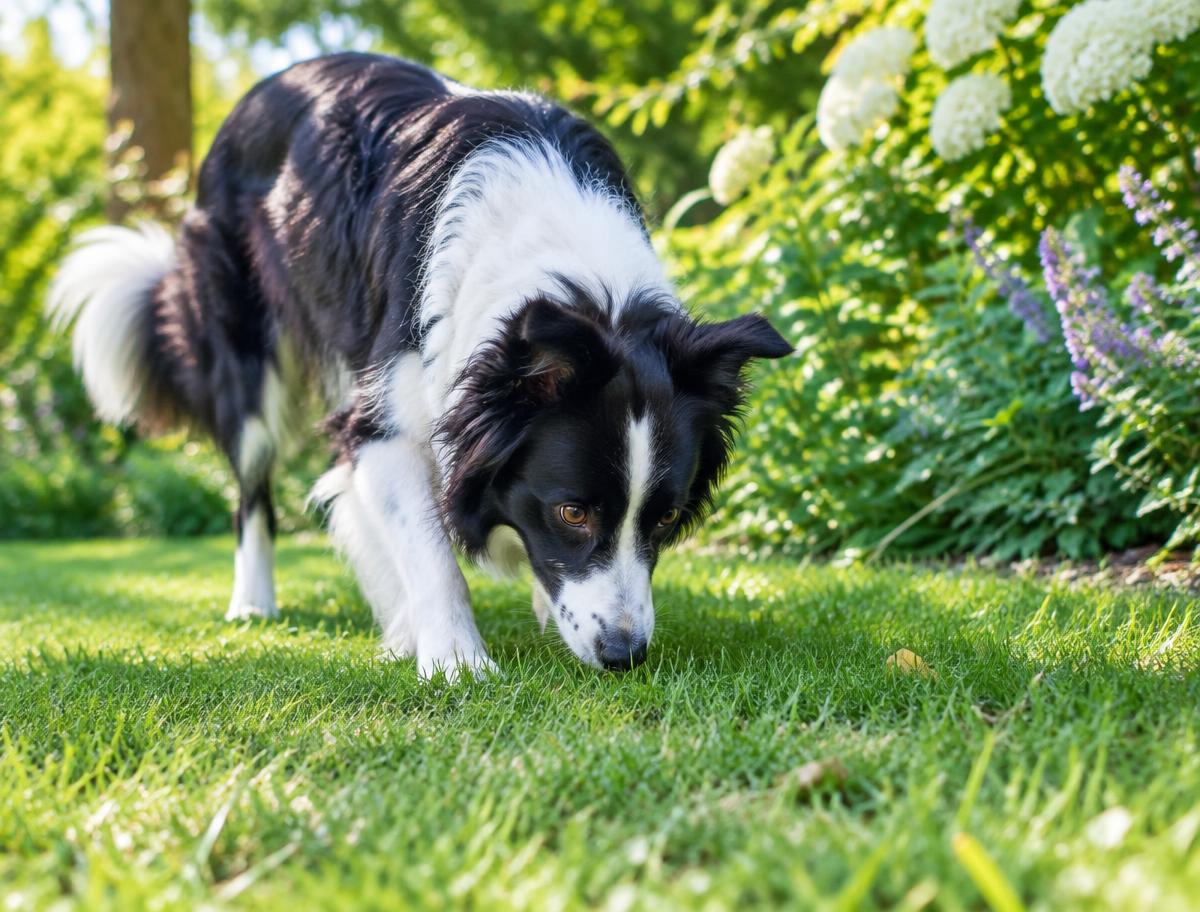
On a safe route, let your dog explore smells at their pace. Sniffing can be more engaging than simply covering distance.
Use part of a meal as a game
Scatter kibble in a safe area, use a food puzzle or hide a few pieces for a search game. Supervise and account for dietary needs.
Teach a tiny new skill
Try three minutes of touch, sit or finding a toy. Stop while your dog is still engaged.
Protect rest as well as activity
Provide a comfortable quiet place to sleep. If restlessness appears suddenly or persists despite routine changes, speak with a veterinarian.
Common mistakes to avoid
- Assuming more intense exercise is always the answer.
- Ignoring a sudden change in behavior.
- Adding complicated puzzles that cause frustration rather than enjoyment.
When to seek professional help
Reward-based training works well for many everyday challenges, but some situations call for more support. Consider a veterinarian or a qualified, reward-based behavior professional if:
- The behavior appeared suddenly or is getting worse despite consistent practice.
- Your dog seems to be in pain, unwell, or shows intense fear or distress.
- There is any risk of injury to people or other animals.
A vet visit can rule out medical causes first — pain and illness often show up as behavior changes.
A small beginning
What to Try Today
- Try a ten-minute sniff-focused outing.
- Use one meal as a simple search game.
- Notice whether your dog settles afterward.
Frequently Asked Questions
Does a bored dog need more walks?
Maybe, but variety, sniffing, social connection and rest also matter. Start with small changes and observe your dog.
Could restlessness be medical?
Yes. Especially if it is new, severe or accompanied by other symptoms, seek veterinary advice.