Affiliate Disclosure: This page contains affiliate links. If you make a purchase through one of these links, Paws & Progress may earn a commission at no additional cost to you.
Why this might be happening
Before changing a behavior, it helps to understand what your dog may be responding to. Look for patterns rather than assuming one cause.
- Moving forward while pulling can unintentionally teach that tension works.
- Exciting smells, other dogs or a busy environment can make focusing difficult.
- Equipment discomfort or pain can also affect how a dog walks.
If this behavior appeared suddenly, seems linked to pain, or involves intense fear or distress, consult a veterinarian or qualified, reward-based behavior professional. Training tips are not a substitute for medical care.
For another angle on this challenge, read our guide to i want better overall obedience.
A practical plan, step by step
You do not need to do everything at once. Choose a manageable starting point and notice what helps your dog feel able to succeed.
Start somewhere easy
Practice in a hallway, driveway or quiet path. Use a comfortable, properly fitted harness and a regular-length leash; avoid equipment that relies on pain.
Reward the position
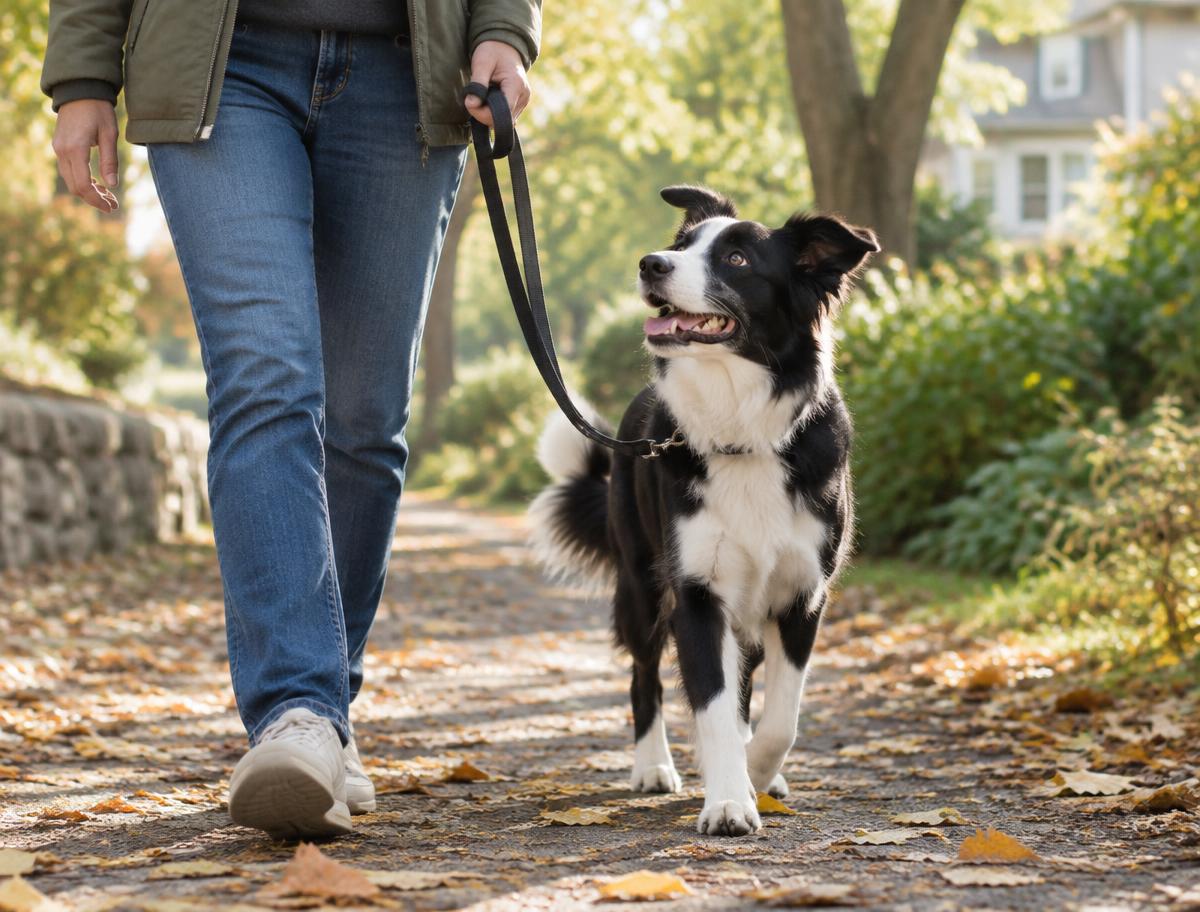
When your dog is near you with a loose leash, say “yes” and offer a treat beside your leg. Take just a few steps before rewarding again.
Pause when the leash tightens
Stop moving without jerking. When your dog turns back and the leash relaxes, mark and move forward again. Be consistent but patient.
Let sniffing be a reward
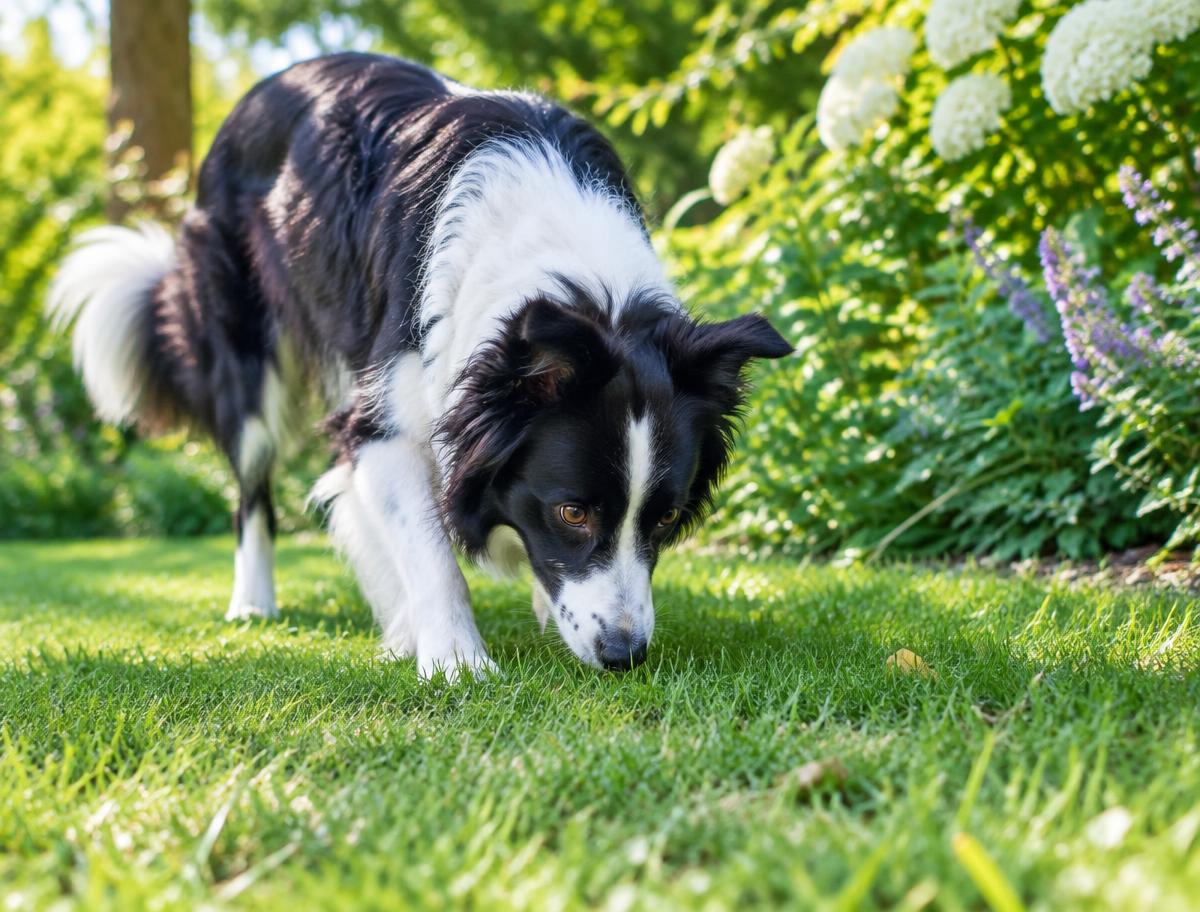
After several loose steps, invite your dog to sniff a spot. Walks can meet your dog’s needs as well as practice manners.
Increase distractions slowly
Move to busier paths only when your dog can succeed in easier settings. Add distance from other dogs or traffic when focus becomes difficult.
Common mistakes to avoid
- Expecting perfect heel position for the entire walk.
- Practicing only in overwhelming environments.
- Pulling back hard on the leash, which can create discomfort and more tension.
When to seek professional help
Reward-based training works well for many everyday challenges, but some situations call for more support. Consider a veterinarian or a qualified, reward-based behavior professional if:
- The behavior appeared suddenly or is getting worse despite consistent practice.
- Your dog seems to be in pain, unwell, or shows intense fear or distress.
- There is any risk of injury to people or other animals.
A vet visit can rule out medical causes first — pain and illness often show up as behavior changes.
A small beginning
What to Try Today
- Choose one quiet stretch for a five-minute practice.
- Reward three moments of loose leash.
- Allow a sniff break after a few successful steps.
Frequently Asked Questions
Do I need a special collar?
A comfortable, well-fitted harness is a useful management tool, but consistent teaching is what helps your dog learn.
Why does my dog pull more around other dogs?
Excitement, frustration or fear can all affect behavior. Give your dog more distance and seek qualified help if reactivity is intense.